
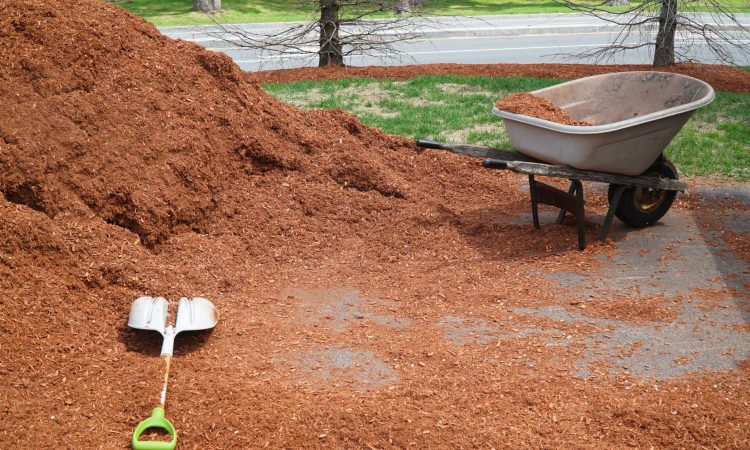
A cubic yard of soil typically costs between $15 and $30 for standard topsoil, though premium organic garden mixes can reach $55–$75. When asking “how much is a cubic yard of soil,” remember to factor in delivery fees, which usually range from $50 to $150 per trip. In 2026, bulk truckloads (10–15 yards) are the most cost-effective way to buy, often bringing the per-yard price down significantly compared to bagged soil.
Soil Prices by Type
| Soil Type | Price Per Cubic Yard | Best Use |
|---|---|---|
| Fill dirt | $5-$20 | Grading, leveling, large holes |
| Basic topsoil | $15-$35 | Lawn repair, general landscaping |
| Premium topsoil | $30-$55 | New lawn installation, planting beds |
| Garden/compost mix | $45-$75 | Vegetable gardens, raised beds |
| Screened topsoil | $25-$45 | Fine lawn work, overseeding |
| Sandy loam | $20-$40 | Improving drainage, lawn base |
| Mushroom compost | $25-$50 | Soil amendment, garden enrichment |
| Potting/container mix | $70-$100+ | Containers (usually sold in bags) |
How Much Does a Cubic Yard Look Like?
One cubic yard equals 3 ft × 3 ft × 3 ft – roughly the size of a standard washing machine or a large refrigerator box.
Depending on moisture content, a cubic yard of soil weighs:
- Dry topsoil: ~1,500-2,000 lbs
- Wet soil: ~2,500-3,000 lbs
- Fill dirt: ~2,000-2,700 lbs
This matters for delivery – most trucks deliver in 3-15 yard loads, and your driveway or ground needs to handle that weight.
How to Calculate How Much Soil You Need
Formula:
> Cubic yards = (Length × Width × Depth in inches) ÷ 324
Example: Filling a garden bed 12 ft × 8 ft at 6 inches deep
> (12 × 8 × 6) ÷ 324 = 576 ÷ 324 = 1.78 cubic yards
Round up and order 2 yards to account for settling.
Coverage Chart
| Sq Footage | At 2″ Deep | At 4″ Deep | At 6″ Deep |
|---|---|---|---|
| 100 sq ft | 0.6 yards | 1.2 yards | 1.9 yards |
| 200 sq ft | 1.2 yards | 2.5 yards | 3.7 yards |
| 500 sq ft | 3.1 yards | 6.2 yards | 9.3 yards |
| 1,000 sq ft | 6.2 yards | 12.3 yards | 18.5 yards |
Always add 10% to your calculated amount to account for compaction, uneven areas, and measurement errors.
How Does Soil Differ From Dirt?
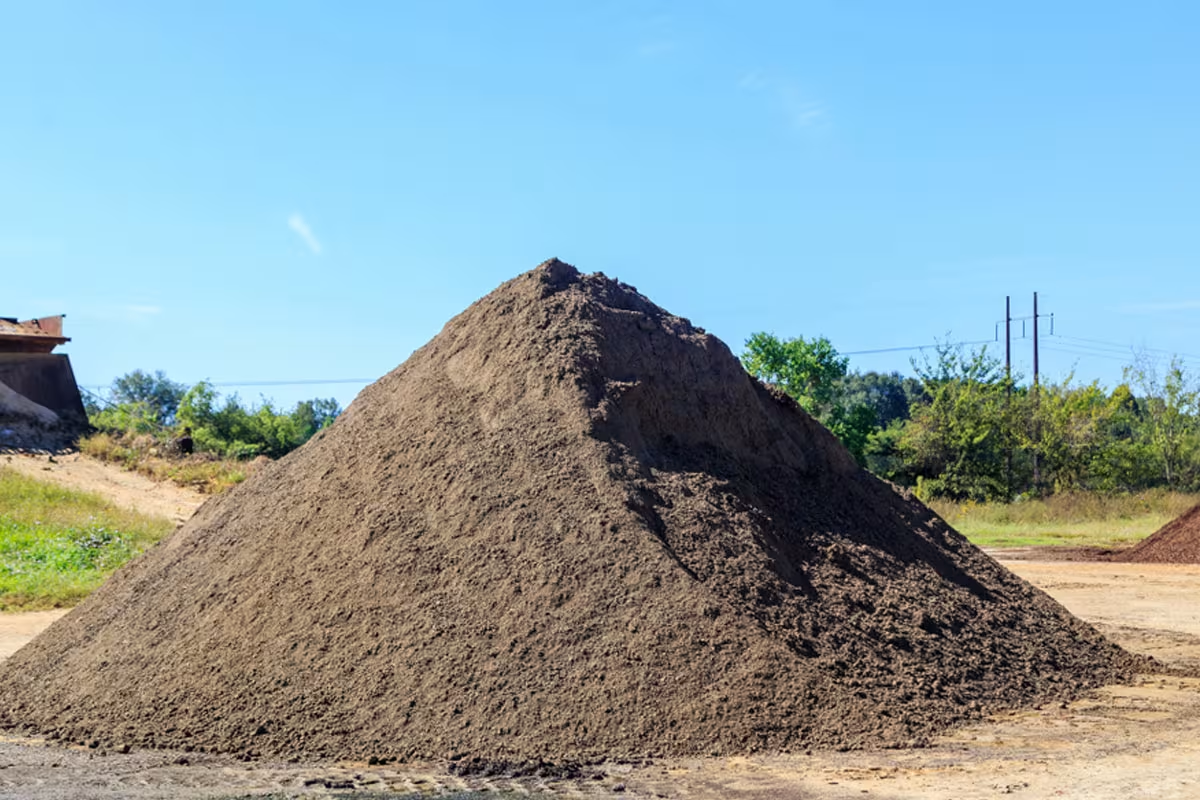
These terms get used interchangeably but they’re not the same.
| Topsoil / Garden Soil | Fill Dirt | |
|---|---|---|
| Organic matter | Yes | No |
| Nutrients | Yes | No |
| Supports plant growth | Yes | No |
| Use | Planting, lawn | Structural filling |
| Price | Higher | Lower |
If you’re filling a large low spot in your yard, use fill dirt for the bulk and top with 4-6 inches of topsoil. This approach is far more cost-effective than filling the entire depth with premium soil.
Where to Buy Soil: Price Comparison
| Source | Cost | Notes |
|---|---|---|
| Local landscape supply yard | Cheapest bulk price | Best for 3+ yards |
| Big-box stores (bagged) | $5-$8 per 40lb bag | Expensive – ~$180+/yard equivalent |
| Online delivery (bulk) | Mid-range | Convenient; compare delivery fees |
| Excavating companies | Sometimes free (fill dirt) | Quality varies |
| Local farms / compost facilities | Low cost | Great for enriched compost mixes |
The math on bagged soil: A 40-pound bag of topsoil at $6 covers roughly 8 square feet at 1 inch deep. For comparison, a $30/yard bulk delivery covers the same 8 sq ft to 1 inch for about $0.50. Bags cost 10-12× more per volume.
For any project over 2 cubic yards, always buy in bulk from a landscape supply company.
The Bottom Line
A cubic yard of soil is an affordable landscaping material when you buy it right. Know your soil type, calculate your volume with the formula above, and buy bulk from a local supplier whenever possible. For most residential projects, the total cost runs $50-$300 depending on the size and soil quality you need.