
Yes—“can i leave vinegar on mold overnight“—and doing so is actually more effective than a quick application and wipe. Vinegar needs time to penetrate porous surfaces and kill mold at the root level. For surfaces like grout, drywall, or caulk, an extended contact time (1–8 hours) gives the acetic acid a much better chance of actually working. Just ensure the area is well-ventilated to handle the strong scent while the vinegar does its job.
That said, vinegar isn’t a solution for every mold situation. Here’s where it works, where it doesn’t, and how to use it correctly.
Does Vinegar Actually Kill Mold?
Yes – with caveats. White distilled vinegar (5% acidity) has been shown in studies to kill approximately 82% of mold species. It’s a legitimate antifungal agent, not just a folk remedy.
It works best on non-porous and semi-porous surfaces like:
- Bathroom tile
- Grout (with extended contact time)
- Glass shower doors
- Hard plastic surfaces
- Sealed countertops
It’s less effective on highly porous materials like drywall, ceiling tiles, and unsealed wood – where mold roots (hyphae) penetrate deep below the surface.
How to Use Vinegar on Mold
What you need:
- Undiluted white distilled vinegar (5% acidity – don’t dilute it)
- Spray bottle
- Stiff brush or old toothbrush
- Gloves and ventilation
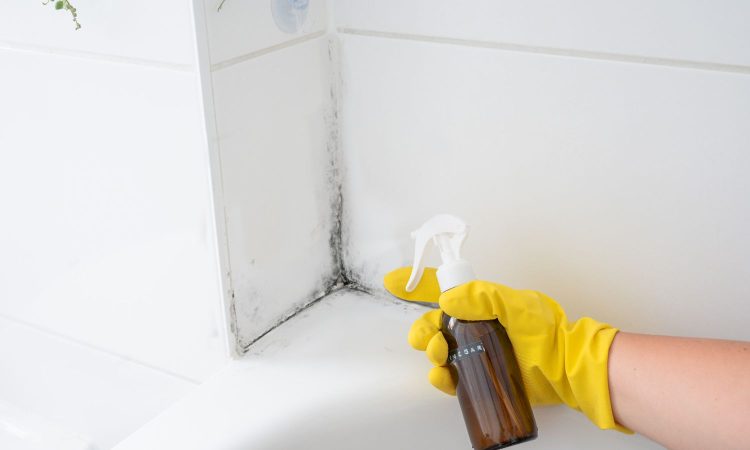
Step 1: Spray undiluted vinegar directly and generously onto the moldy surface. Don’t dilute – full strength is necessary for antifungal effectiveness.
Step 2: Let it sit. For fresh, light mold on tile: 1-2 hours is sufficient. For grout, caulk, or heavier growth: leave it 4-8 hours or overnight.
Step 3: Scrub with a stiff brush. The mold should break up and lift.
Step 4: Wipe clean with a damp cloth.
Step 5: Dry the area completely – moisture encourages mold to return.
Is It Safe to Leave Overnight?
For most surfaces and situations – yes. A few notes:
| Surface | Safe to Leave Overnight? | Notes |
|---|---|---|
| Ceramic tile | ✅ Yes | No damage risk |
| Grout | ✅ Yes | Extended time helps penetration |
| Caulk | ✅ Yes | Won’t damage standard silicone caulk |
| Natural stone (marble, granite) | ❌ No | Acid etches stone surfaces |
| Hardwood floors | ⚠️ Caution | Excessive moisture damages wood |
| Drywall | ⚠️ Limited | Adds moisture to already-compromised material |
| Metal | ⚠️ Caution | Some metals can rust with prolonged acid exposure |
When Vinegar Isn’t Enough
Vinegar has real limitations. Don’t rely on it when:
- The mold covers an area larger than 10 square feet – this indicates a deeper moisture problem requiring professional assessment
- The mold is on drywall, insulation, or structural materials – these usually need to be removed entirely
- Mold keeps coming back despite treatment – the source of moisture hasn’t been addressed
- The mold is black and slimy (possible Stachybotrys/black mold) – professional testing and remediation is warranted
- Someone in the home has respiratory conditions, allergies, or immune compromise – professional remediation is safer
Vinegar vs. Bleach: Which Is Better for Mold?
| Factor | Vinegar | Bleach |
|---|---|---|
| Kills mold | 82% of species | Most surface mold |
| Penetrates porous surfaces | Better | Poor (evaporates fast) |
| Fumes | Mild | Harsh – requires ventilation |
| Safe for colored grout | Yes | May bleach color |
| Environmental impact | Low | Higher |
| Prevents recurrence | Better | Worse |
Bleach kills mold on the surface but doesn’t penetrate porous materials well – the mold often returns faster after bleach treatment because the roots survive. Vinegar penetrates further and has a longer-lasting effect on porous surfaces.
Preventing Mold From Coming Back
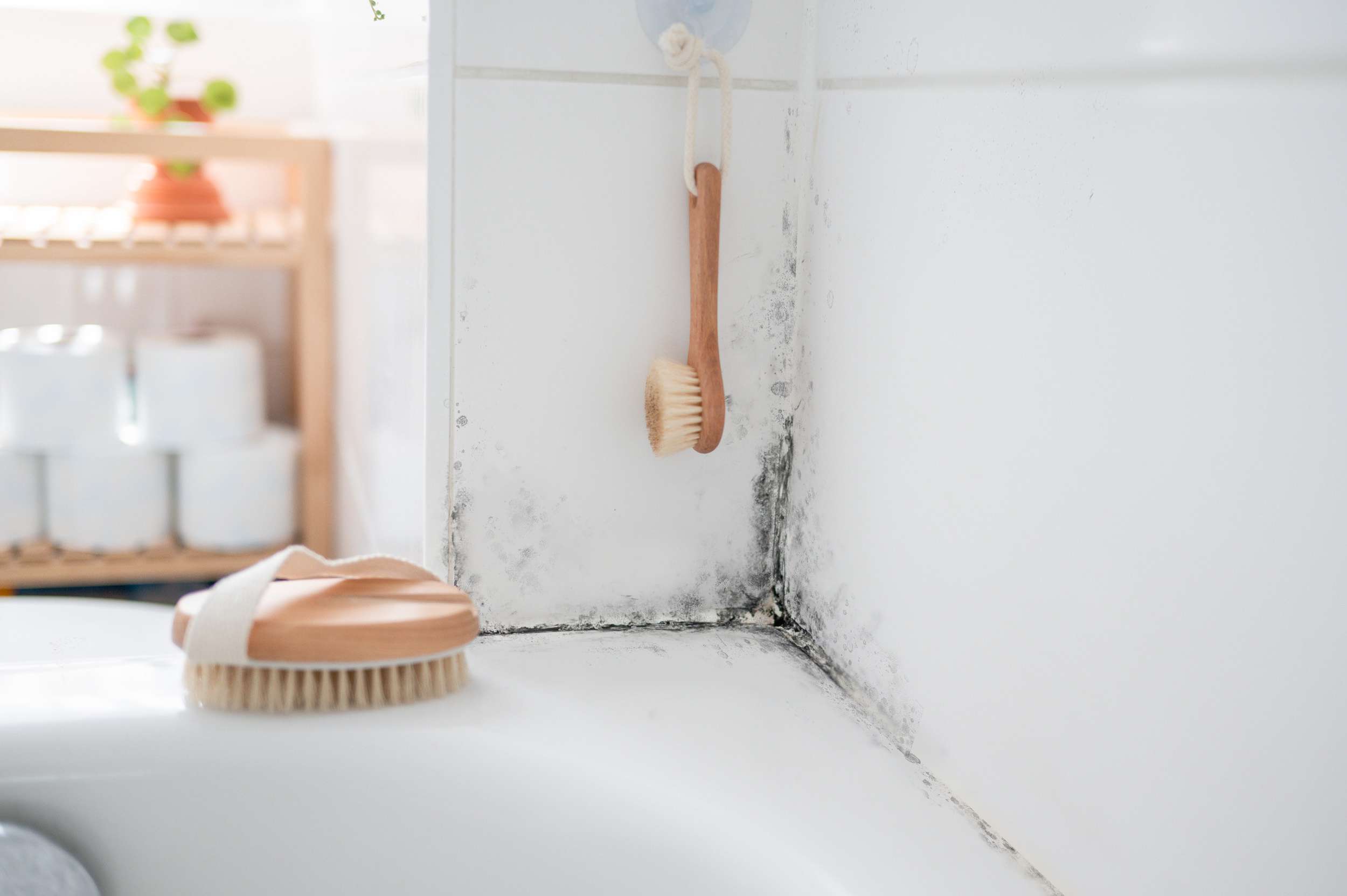
Whatever you use to kill mold, the underlying issue is always moisture. After treatment:
- Fix any leaks (plumbing, roof, window seals)
- Improve bathroom ventilation – run the fan for 20 minutes after showering
- Re-caulk and re-grout regularly in showers
- Reduce indoor humidity below 50% with a dehumidifier if needed
Leaving vinegar on mold overnight is a practical, effective, low-toxicity approach for bathroom tile and grout. Do it consistently when you first notice mold, and you’ll stop small problems from becoming large ones.