
Wine and whiskey get most of the attention in the world of tasting. Rum has long been treated as the spirit you mix into a daiquiri rather than something to sip slowly from a snifter. That perception is changing fast. Premium aged rums now compete with single-malt Scotch and small-batch bourbon for serious attention from collectors and casual drinkers alike.
For travelers heading to a tropical destination, learning the basics of rum tasting can transform a poolside cocktail into a window onto an entire culture. Most Caribbean islands have their own distilleries with traditions stretching back centuries. Each one produces a rum that reflects local cane and local climate. The cooperage that ages the spirit adds another layer of character entirely.
A Quick History
Rum traces its origins to the sugar plantations of the Caribbean in the 1600s. Molasses, the dark byproduct of sugar refining, was initially considered waste. Enterprising distillers discovered that fermented and distilled molasses produced a powerful spirit. The drink quickly became a currency of trade across the colonial Atlantic.
Different islands developed different traditions based on local cane varieties and climate conditions. The colonial power that controlled each island also shaped the style of rum produced there. Jamaica became known for funky pot-still rums with intense flavor. Barbados produced cleaner more elegant styles. Martinique developed rhum agricole, made from fresh cane juice rather than molasses. Cuba refined the lighter Spanish-influenced style. These traditions persist to this day in the bottles you see at any bar.
The Three Main Categories
Rum splits into three broad categories based on color and aging.
Light or white rum has been filtered and is either unaged or only briefly rested. It tends to be cleaner and crisper than darker styles. The Spanish-influenced rums of Cuba and Puerto Rico fall into this camp. These work beautifully in cocktails where the other ingredients should shine.
Gold or amber rum sits between light and dark. It has spent some time in oak barrels picking up color and a touch of vanilla and spice. The flavor is more complex than light rum without the deep intensity of an aged dark rum.
Dark or aged rum has spent significant time in barrels. Caramel and toffee notes deepen with time, joined by dried fruit and a touch of spice. Some premium aged rums spend more than twenty years in barrel before bottling. These are the rums to sip slowly rather than mix.
Spiced rum stands as a fourth category in its own right. Distillers add cinnamon and vanilla, along with citrus peel and other natural flavorings, to a base spirit. Spiced rum is the kind of thing some people love and others avoid entirely. It’s worth at least one tasting before deciding which camp you’re in.
A Word for Caribbean Cruise Travelers
A Caribbean cruise offers a remarkable opportunity to taste rum in the places where it was born. Most ports include rum distillery tours among their shore excursion options. Walking through a working distillery in Barbados or sampling rhum agricole on Martinique gives you context no bottle on a store shelf can provide. The smells alone tell you something about how the spirit develops.
Tasting flights organized by knowledgeable bartenders help you compare styles side by side. A flight of three rums from the same island tells one story. A flight of three rums from different islands tells a much bigger story. You learn to recognize how location shapes the flavor in your glass.
Many ships also offer onboard tasting classes during sea days. These tend to be reasonably priced and led by sommeliers with broad experience across Caribbean rum styles.
How to Taste Rum Like a Pro
The tasting process for rum follows the same general approach as wine or whiskey. Start with the eye. Hold the glass against a white background and note the color. Light rum should look nearly clear. Aged rum should show amber tones ranging from gold to deep mahogany.
Move to the nose. Swirl gently to release aromatics, then bring the glass to your nose without inhaling too deeply. High-proof spirits can overwhelm if you sniff too aggressively. Try inhaling with your mouth slightly open. Note what you smell. Cane sweetness. Oak. Vanilla. Caramel. Dried fruit. Tobacco. Spice. Different rums show very different aromatic profiles.
Take a small sip and let it coat your mouth before swallowing. Pay attention to how the flavor changes from the entry through the middle to the long finish. Many rums show a sweet entry with more complex middle notes and a warming finish. Premium aged rums often surprise drinkers with how long the finish lasts.
Pairing Rum With Food
Rum’s natural sweetness makes it surprisingly versatile with food. Light rum pairs well with shellfish and citrus-based dishes. Aged rum works beautifully with rich chocolate desserts or dried-fruit compotes. Spiced rum complements desserts heavy on cinnamon and clove. Pumpkin pie and apple crumble are both natural pairings.
Try a small pour of aged rum after dinner instead of port or dessert wine. The complexity stands up to any sweet course you might put in front of it.
Building a Modest Home Collection
You don’t need a serious budget to explore rum at home. A starter collection might include a quality light rum for cocktails plus an aged sipping rum for slow evenings. A spiced rum for cooler weather rounds out the lineup nicely.
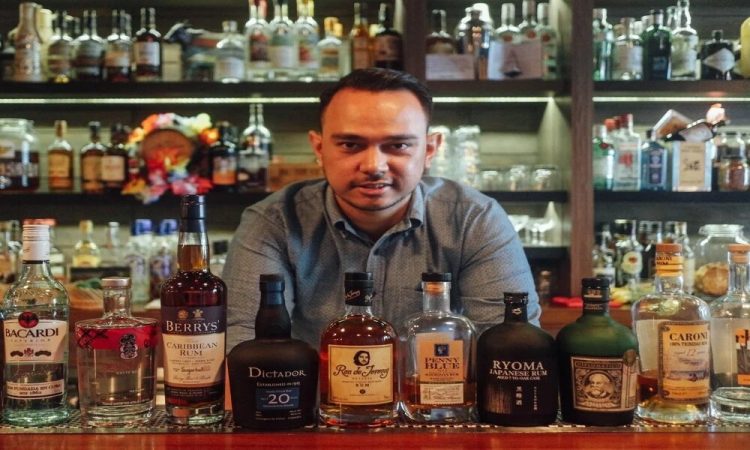
Look for bottles from established producers. Mount Gay and Appleton Estate are reliable starting points. Plantation and Foursquare offer broader ranges to explore as your taste develops. Independent bottlers source casks from various Caribbean distilleries and bottle them under their own labels, often at meaningful discounts compared to the same juice released under a more famous name.
Common Mistakes to Avoid
Don’t over-ice your sipping rum. A single large cube or two small ones will chill the spirit without diluting it too much. Avoid drinking aged rum from a wine glass. A traditional snifter or tulip glass concentrates the aromatics far better than a wide-mouthed alternative.
Skip the first impressions of overly sweet commercial rums. Some of the most popular brands add sugar or caramel coloring after distillation. The result is a syrup that doesn’t represent what good rum can actually be.
The Bigger Picture
Learning to taste rum thoughtfully changes how you experience tropical destinations. The drink in your glass connects you to centuries of history and to the specific island that produced it. A trip that includes intentional rum tasting becomes both vacation and education at the same time. The next pour after you get home brings back not just the flavor but the place itself.